
Excite@Home
Relationships
We were building the future of television before it knew it was coming.
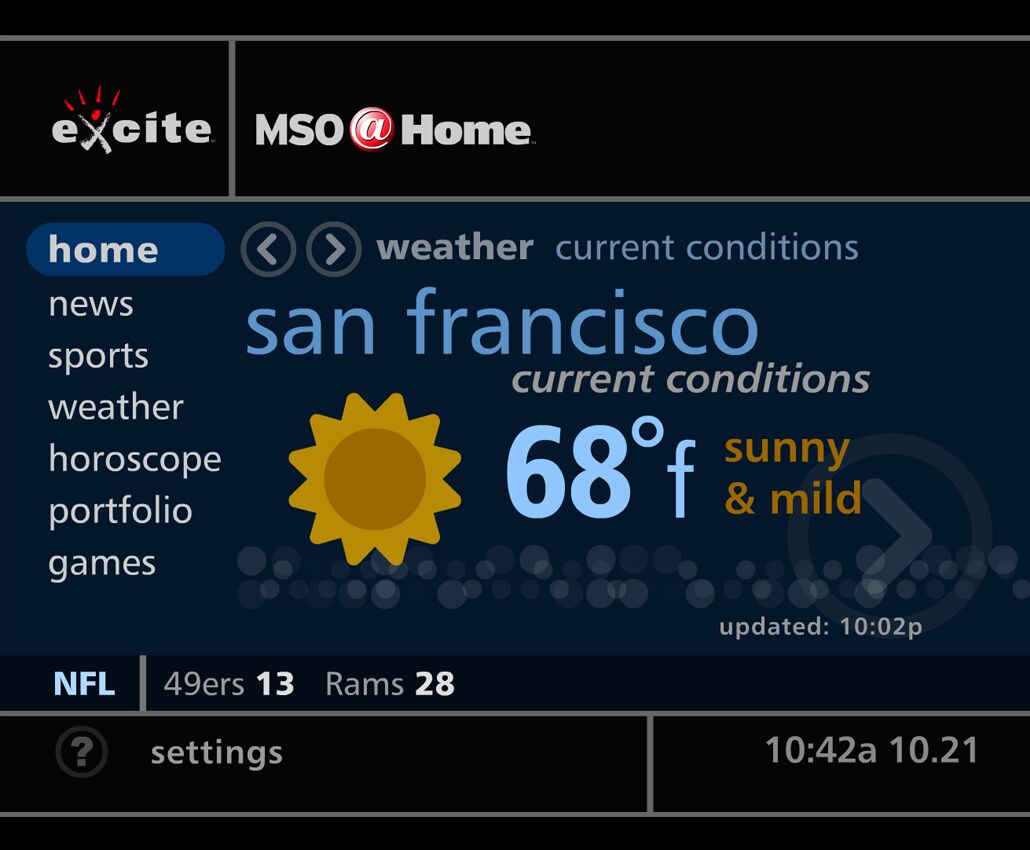
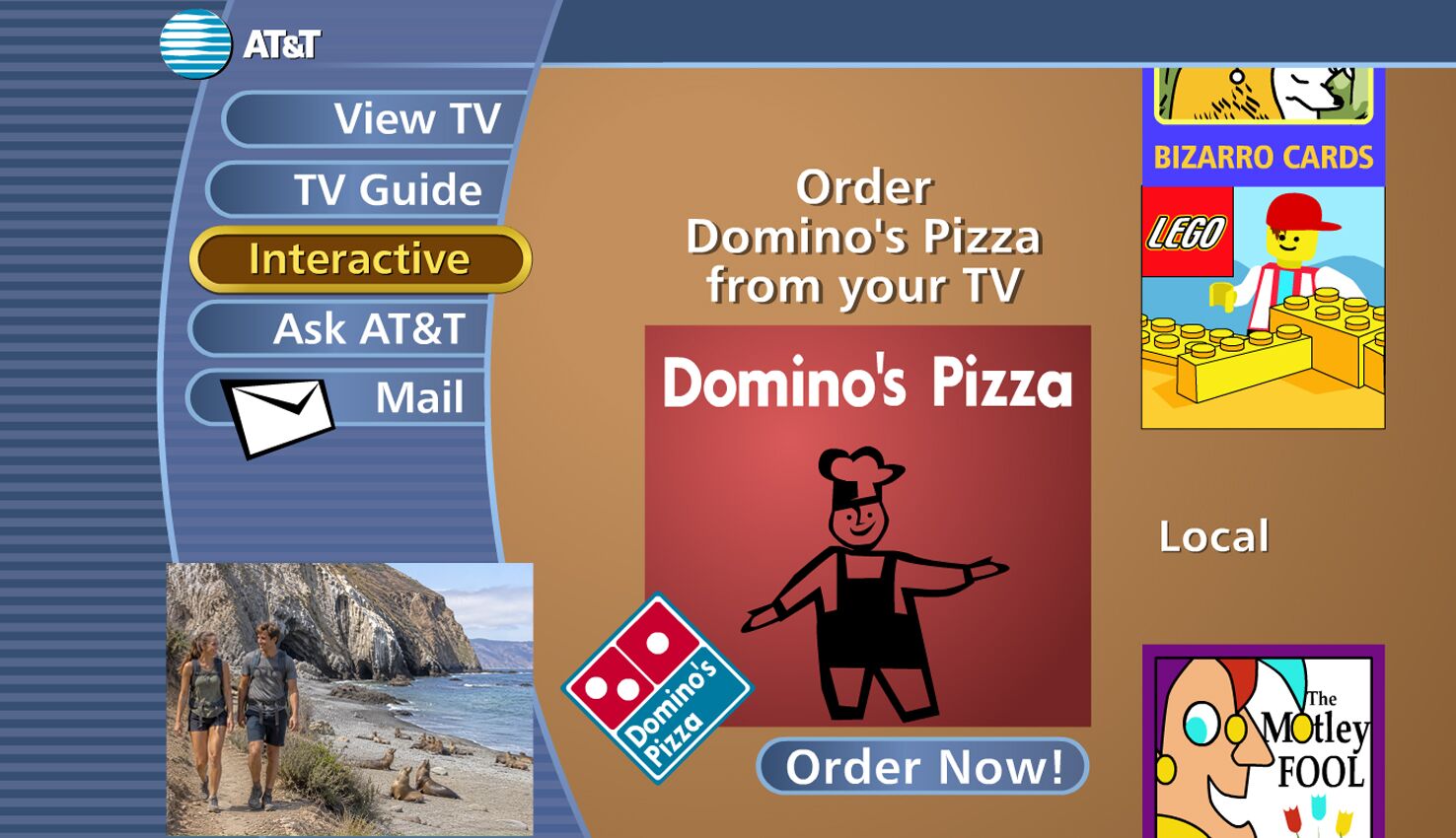
Before Roku, before Apple TV, there was a set-top box and a lot of guessing. @Home was one of the first companies to bring high-speed internet into American homes; the work started as an AT&T project and grew from there. Then Excite was acquired, a content engine went in behind everything, and the effort fed toward Microsoft's UltimateTV. I designed interfaces — and the motion that brought them to life — for a product category that didn't exist yet: interactive television, for a company being assembled out of several others in real time. We showed it at CES and caught Microsoft's attention there.

The framework completed
Sega gave me four edges. Excite@Home gave me another two — the structural relationships that connect branding to a bigger picture.
- Brand ↔ Engineering (Architecture — the system beneath the screen)
- Brand ↔ Strategy (Identity — one experience, many masters)
Architecture
What you see is the smallest part of what you build.
A set-top box interface looks simple by necessity — it has to work from ten feet away, on a remote, on a TV. But under that simplicity sat a content engine, a broadband network, and hardware constraints that shaped every decision. This is where I learned that an interface is the visible tip of an invisible system, and that the real design work is the architecture connecting brand experience to engineering reality.
The motion mattered as much as the layout — transitions are how people understand where they are. I designed the system and the way it moved, because on that hardware they're the same problem.
Get the structure right and the screen almost designs itself. Get it wrong and no amount of polish saves it.
Outcome: I stopped designing screens and started designing systems that screens express.
Identity
A brand has to hold together even when it's wearing four names.
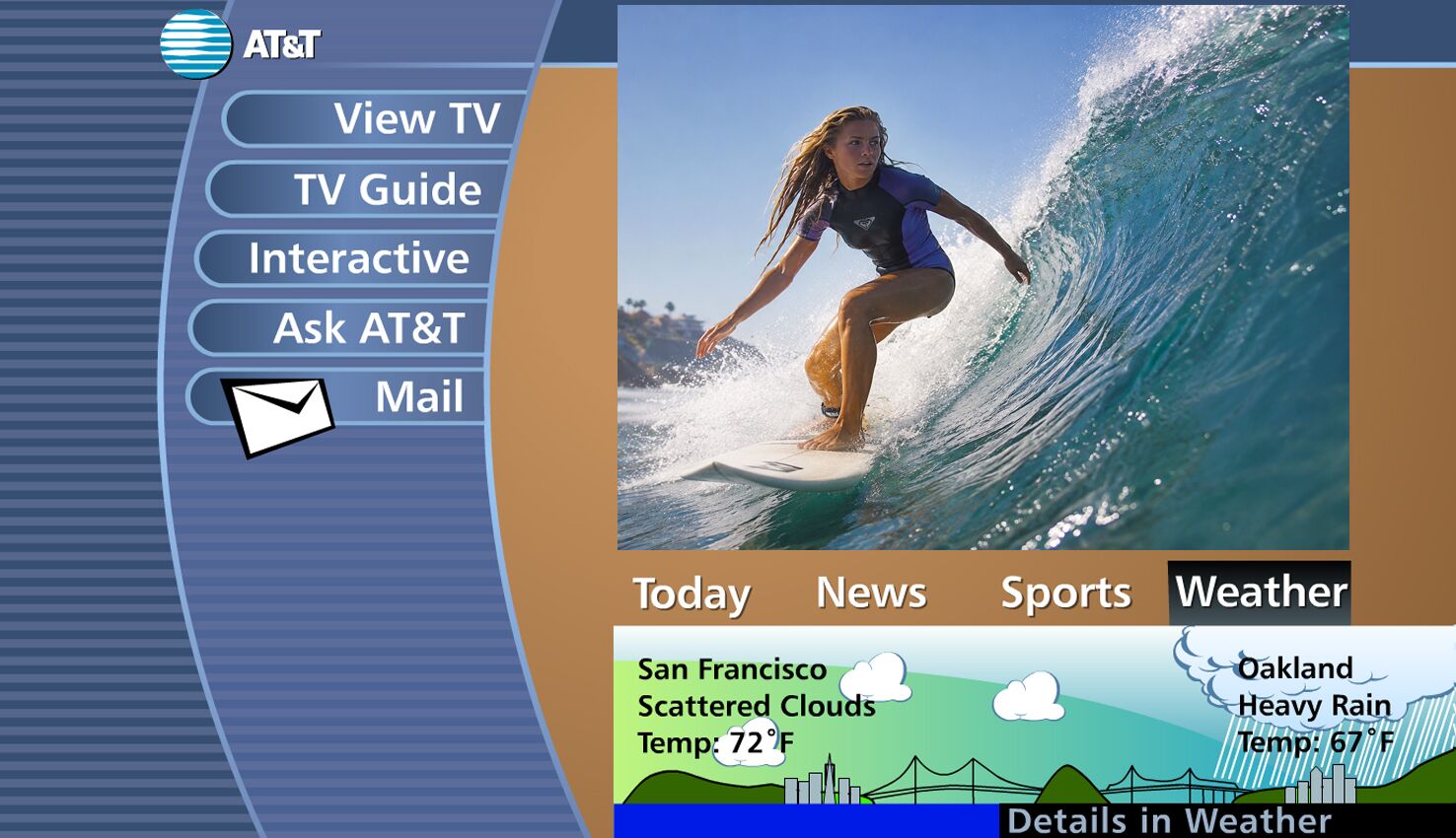
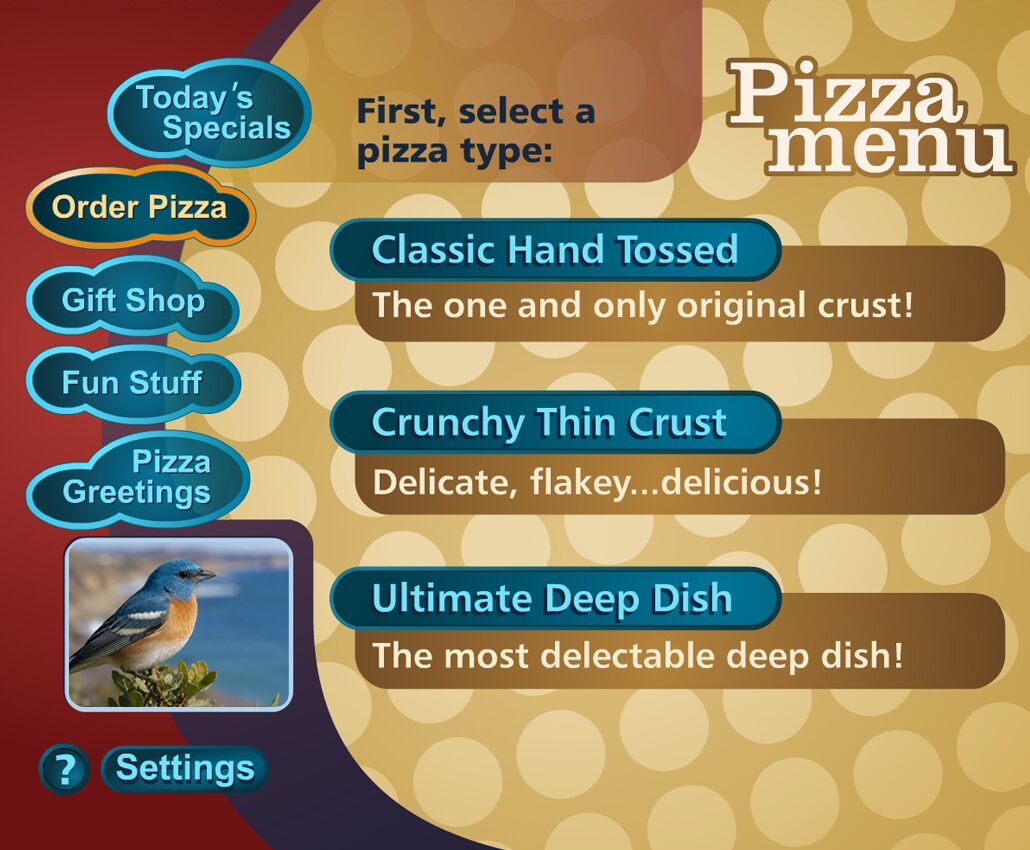
The company was AT&T's reach, @Home's network, Excite's content, and Microsoft's platform — four identities that had to feel like one thing in the living room. My job was to make an experience that stayed coherent no matter whose logo was on the box.
This was Identity at a scale my past experiences never demanded: not a character's personality, but a whole brand's — held consistent across partners, hardware, and a business that kept changing shape underneath it.
Outcome: Identity isn't ownership. It's coherence — especially when no one fully controls it.
In Closing
The company didn't survive. The work did.
The dot-com crash took Excite@Home by 2001. But the system we designed became the foundation for a shipped Microsoft product, years before anyone called this category "streaming." The project had begun as an AT&T initiative — which is why, when Microsoft wanted to build UltimateTV, they acquired the rights from AT&T. We handed over our files, signed new NDAs, and that was that.
That's where my framework became complete. Sega assembled the first four edges; Excite@Home gave me Architecture and Identity — the structural relationships that let ideas connect and endure. Everything since has been putting all six to work.