
Guitar Center
Relationships
Nobody asked me to fix it. I fixed it anyway.
The catalog grew every quarter. The training didn't. Every eLearning module was a custom build — three a year, made in Lectora at $3,000 per seat per year, and dependent on outside vendors to produce. At that rate the content would never catch up.
The solution wasn't another training module — it was a new relationship between business strategy and content production.
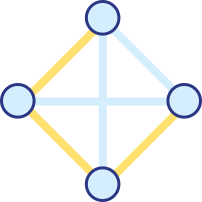
Relationships strengthened
- Engineering ↔ Aesthetics (Integration — Unified learning)
- Aesthetics ↔ Brand (Expression — Consistent product)
- Strategy ↔ Engineering (Systems — Scalable content)
Integration
Content should change. The experience shouldn't.
Every module bound its copy, imagery, and voiceover directly into the build. Change one product detail and you rebuilt the module — which meant the training was outdated the moment the catalog moved.
Separating content from presentation broke that dependency. Copy lived in XML, imagery dropped into named slots, and voiceover timing resolved at runtime. The application stopped caring what it was teaching.
Outcome: Updating a module no longer meant rebuilding it — a catalog update became an edit, not a project.
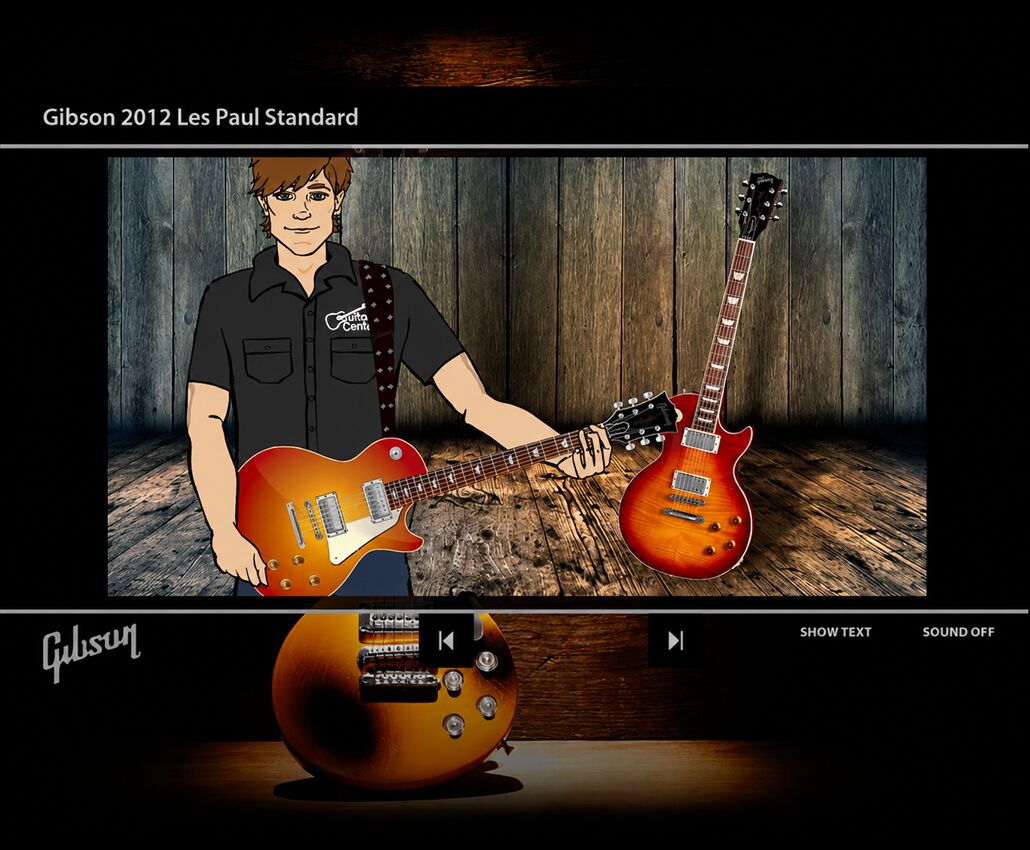
Expression
One language, spoken by a thousand products.
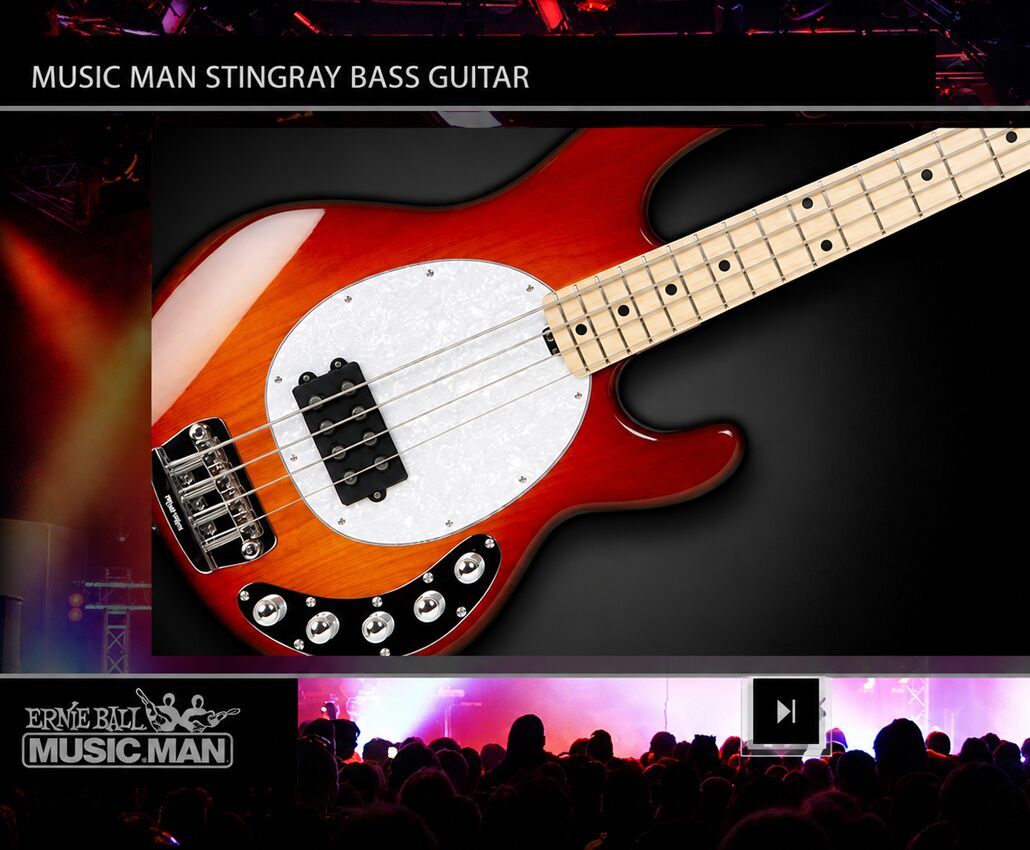
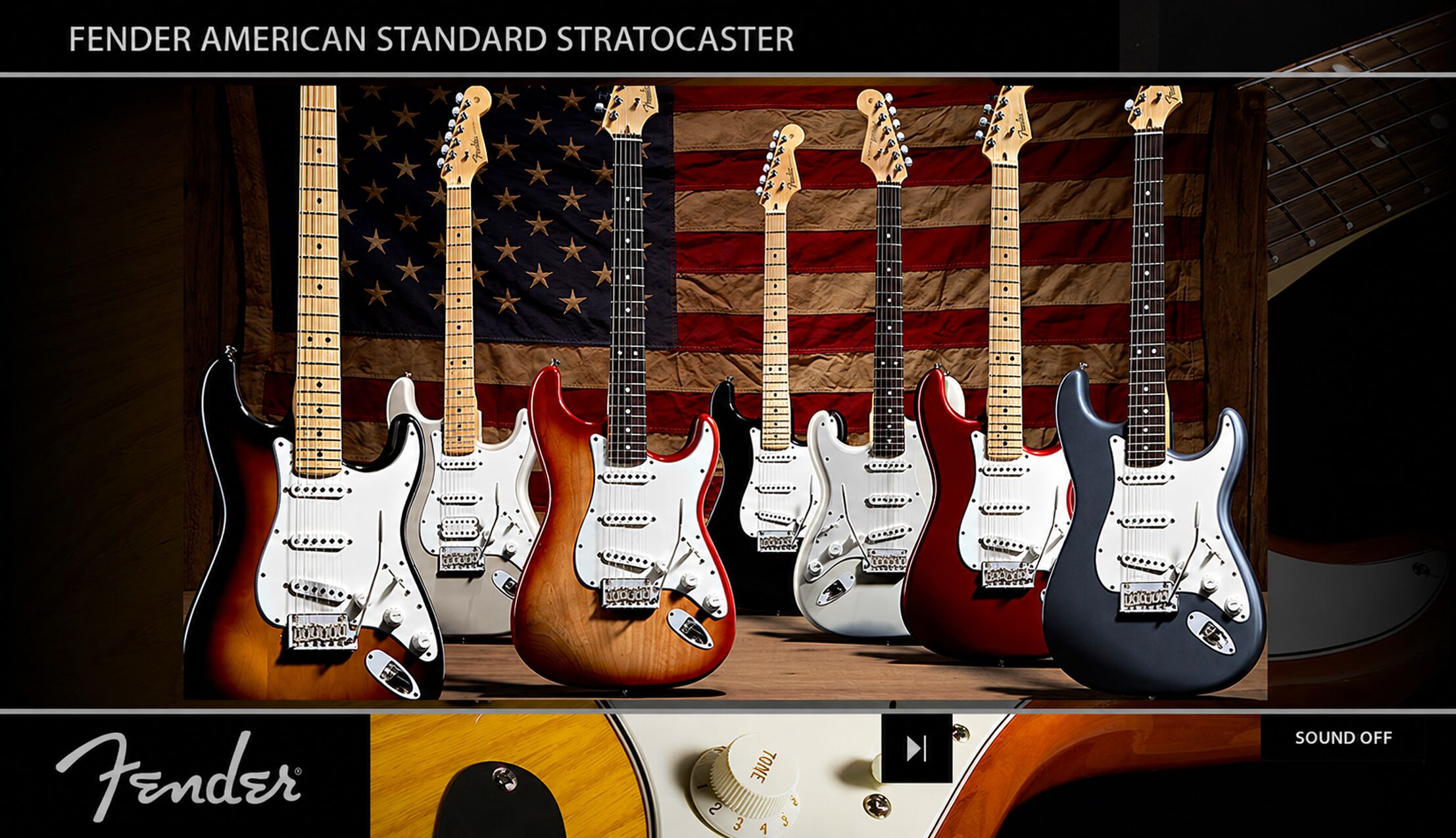
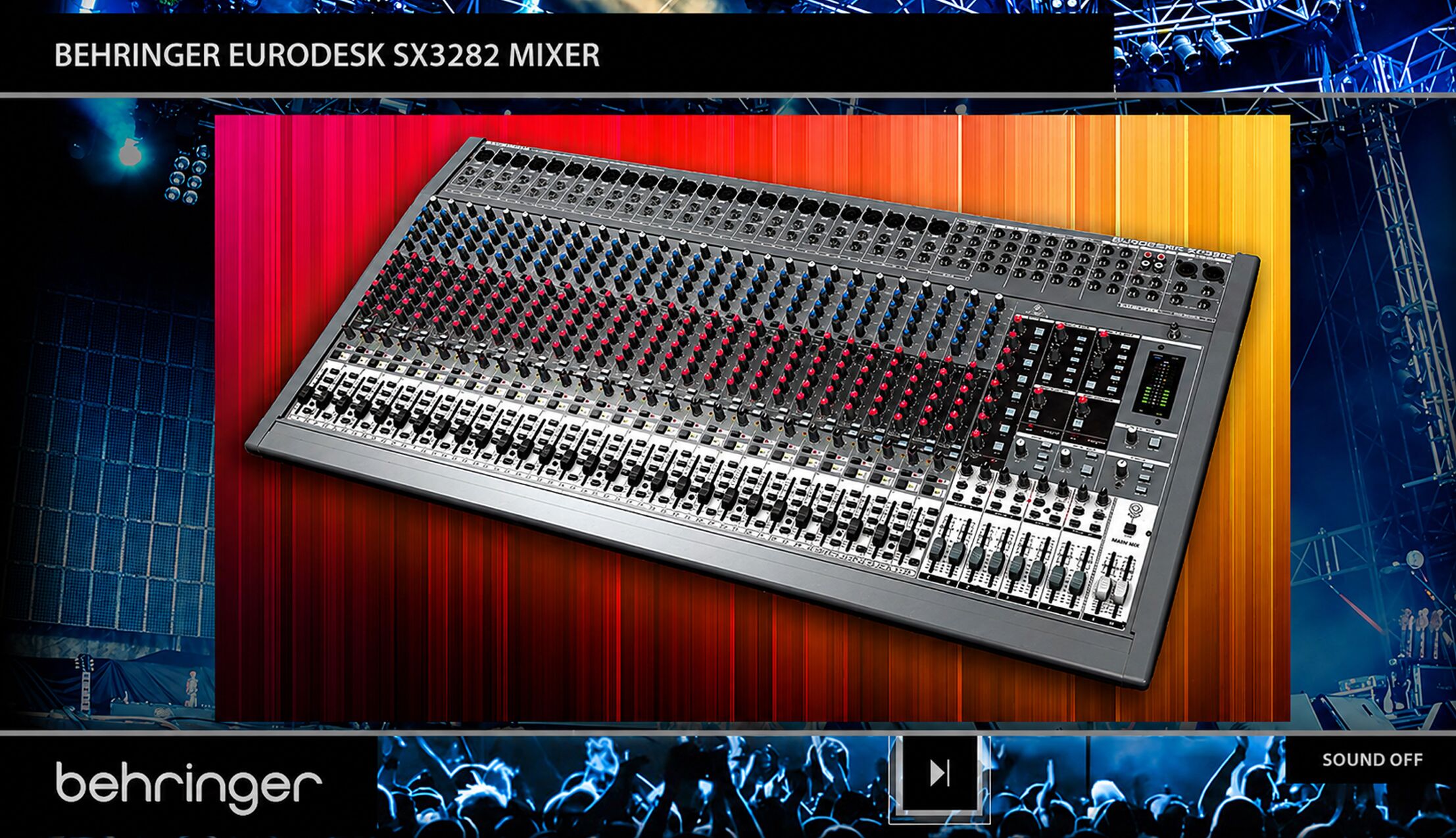
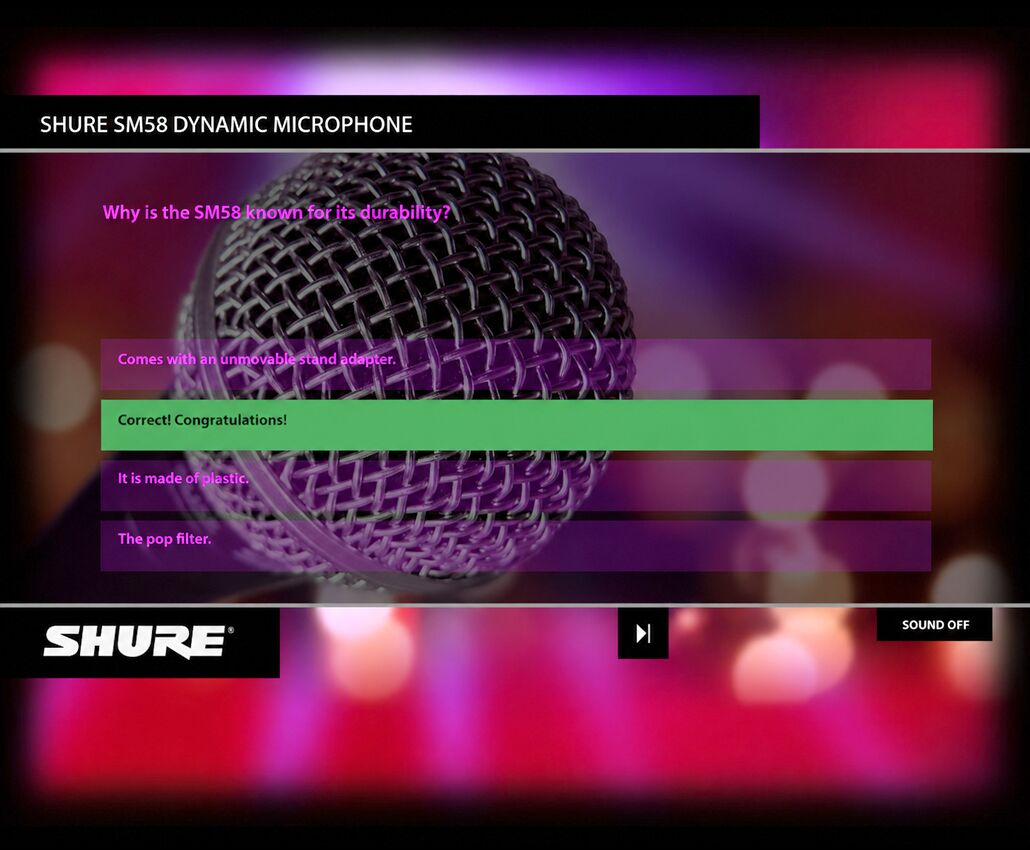
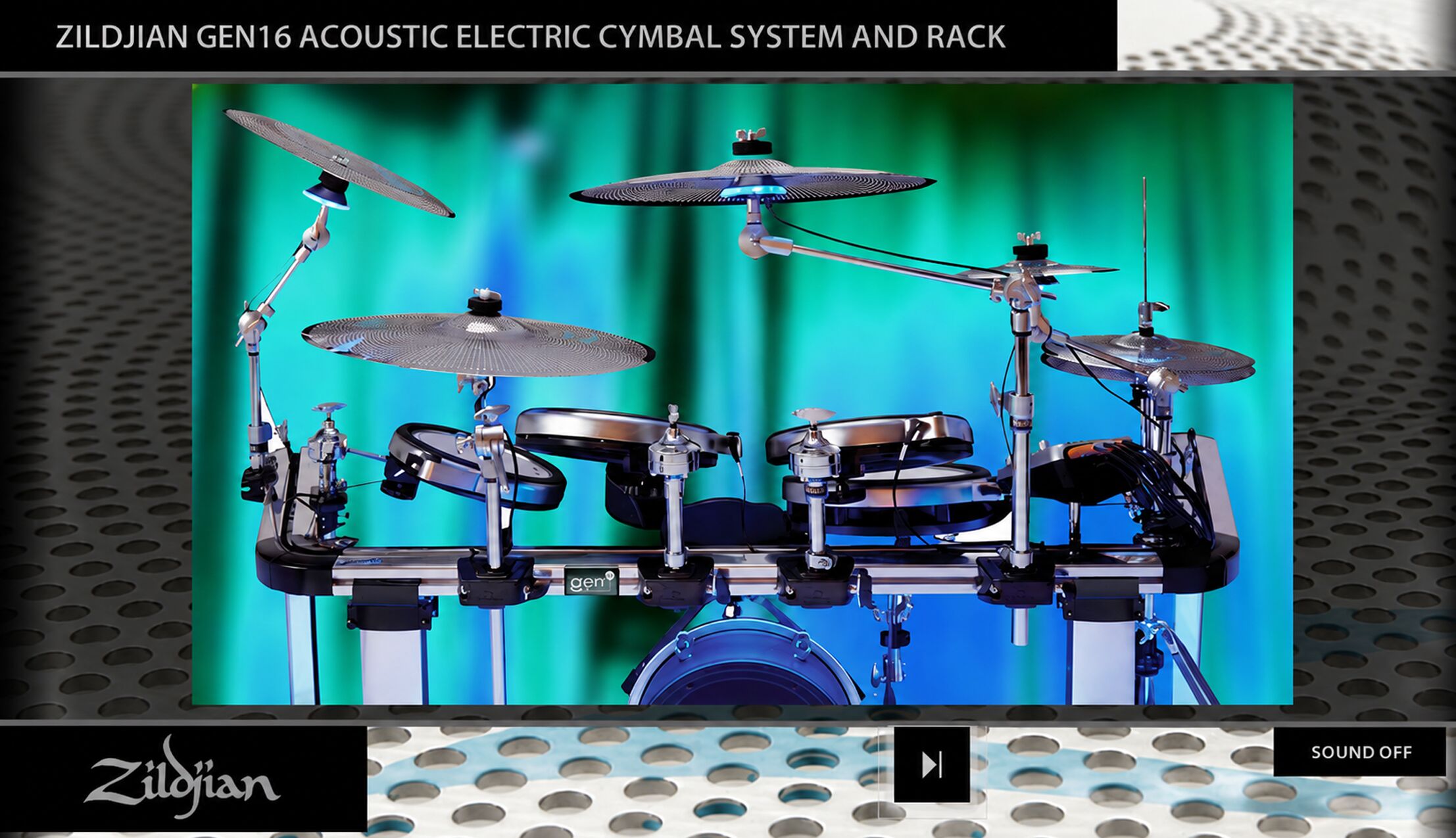
A drum kit and a tube amp have nothing in common as products. As lessons they needed to feel identical — same navigation, same interaction patterns, same way of presenting a product and testing what stuck.
Consistency here wasn't a style guide. It was the reason a salesperson could move from guitars to keyboards and already know how to learn.
Outcome: Every module felt like Guitar Center, whether it covered a $99 pedal or a flagship guitar.
Systems
I built the tool that made me unnecessary.
Copy could be edited directly in XML, pre-named imagery dropped into place, and voiceover synchronized without modifying code. Art direction happened once, in the system. After that a team member set the conditions and the module built itself. Three months to build. Six to have it running.
Outcome: Production grew from three modules a year to more than two hundred — a roughly 66× increase. The bottleneck stopped being the tool and became only how fast the catalog moved.
In Closing
Zero cost per seat. No outside vendors. Run entirely by the internal team.
Tools don't create scale. Relationships do. By connecting content, design, and production into one architecture, a handcrafted process became an engine that outpaced everything Guitar Center sold.