
Sega of America - Sega Technical Institute
Relationships
My first real job became my education.
Straight out of ArtCenter College of Design, I landed my dream job in the R&D division of Sega — Sega Technical Institute. I was the youngest and least experienced person in the room, surrounded by masters. STI wasn't organized around job titles; it was organized around ideas. Artists, engineers, designers, and directors explored concepts together, and I got to help. It was the best possible place to learn how creative work actually happens — between people, not inside them.

The framework, assembled
I didn't arrive with a way of seeing. I built it here, one edge at a time, from four masters who each embodied a different relationship.
- Aesthetics ↔ Strategy (Vision — Andrew Probert)
- Aesthetics ↔ Engineering (Integration — Makoto Uchida)
- Brand ↔ Strategy (Identity — Hirokazu Yasuhara)
- Brand ↔ Aesthetics (Expression — Tony DeZuniga)
Vision
You have to see the world before you can build it.
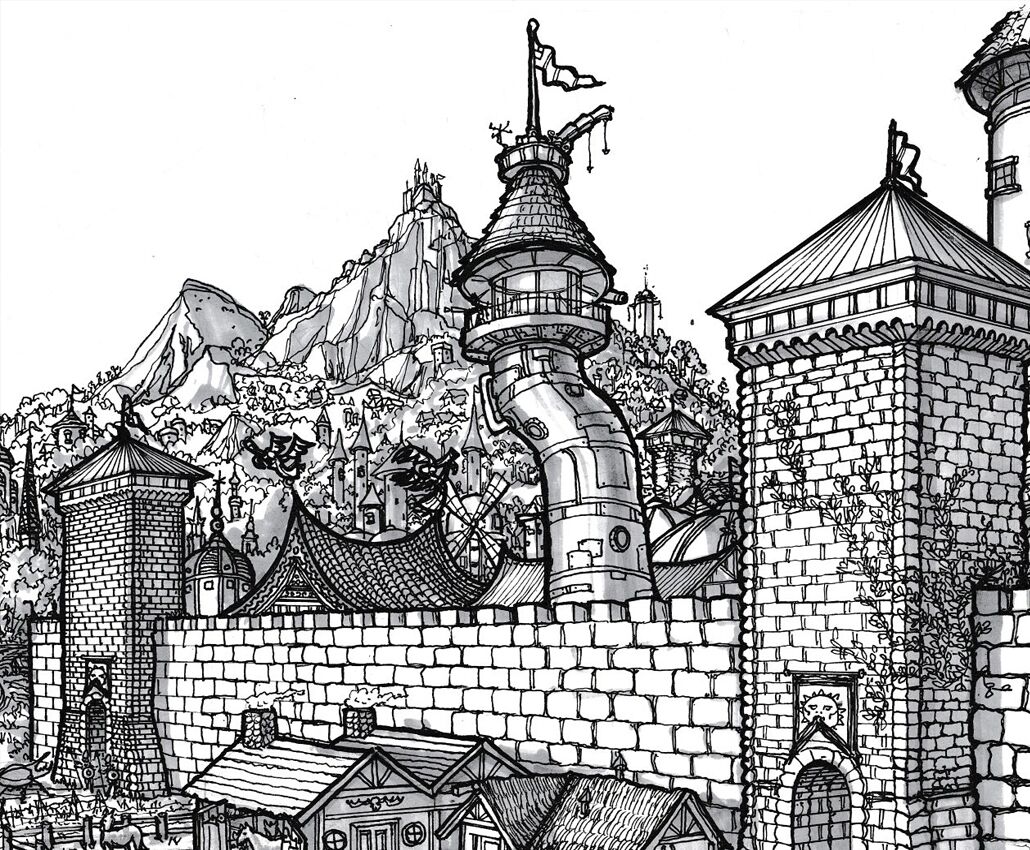
Andrew Probert was one of the first famous production designers I'd ever met — and, like me, an ArtCenter alum. He taught me concept design and, just as much, presentation: a vision is only real once you can make other people see it. That's where the promotional work came in too — artwork for gaming magazines became practice in making an idea look inevitable before it existed.
Outcome: I learned to picture the whole before defending the parts.
Integration
A workflow is a design problem.
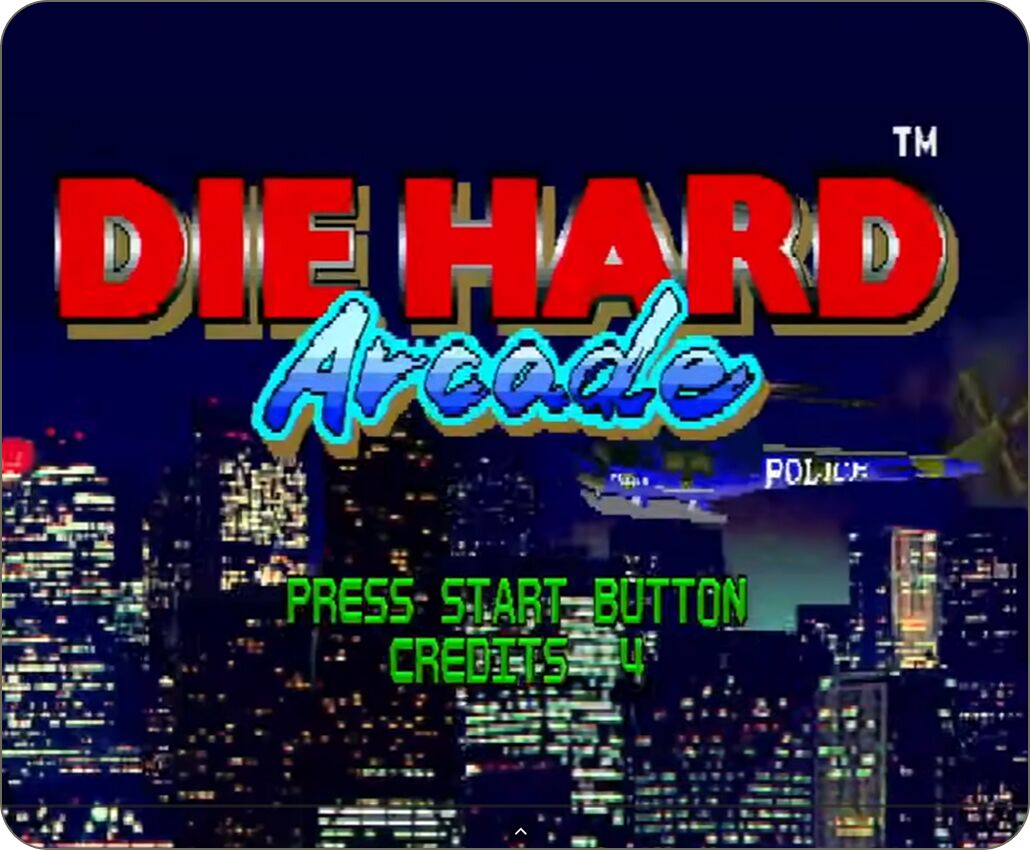
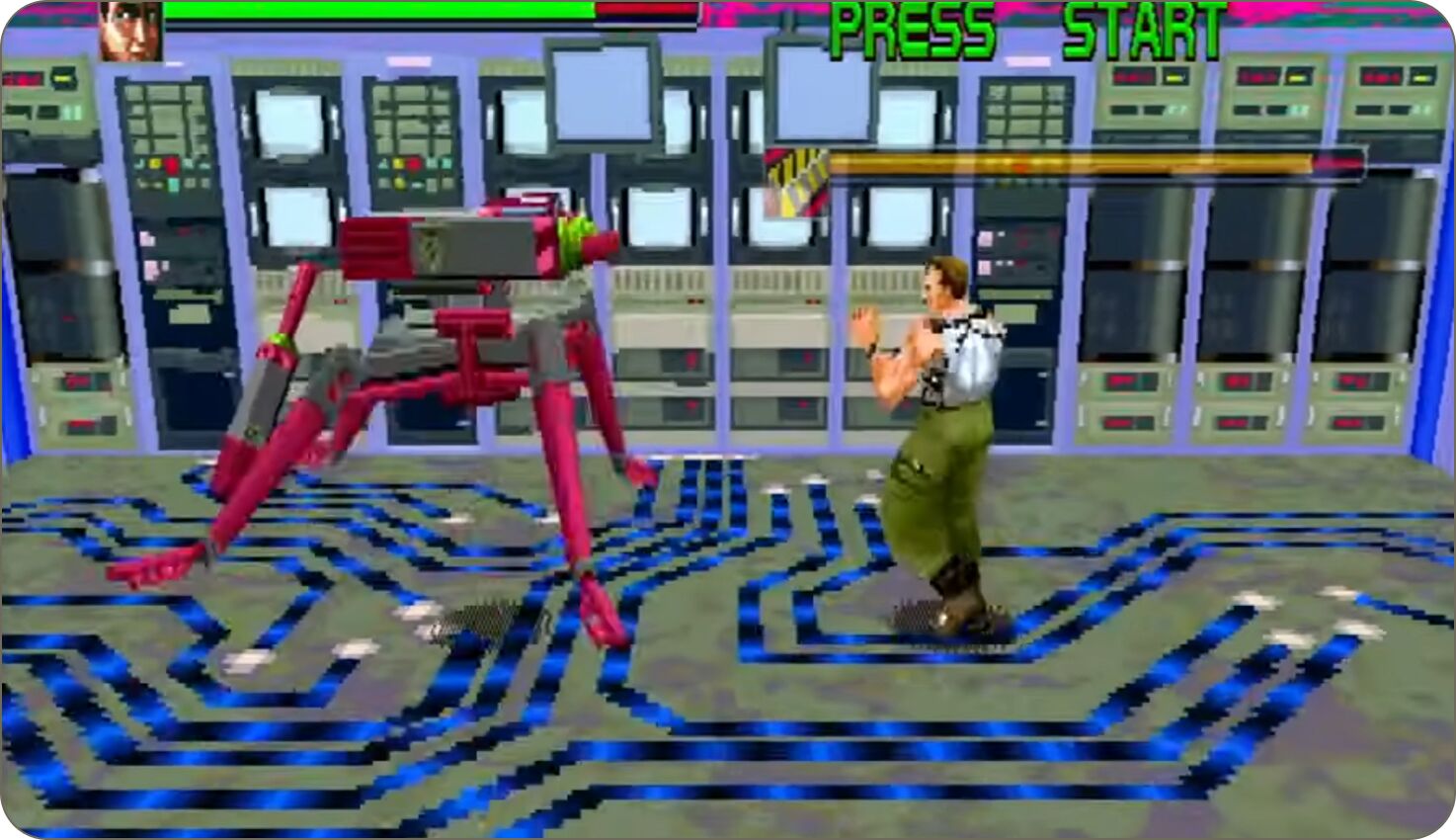
Makoto Uchida ran the Die Hard Arcade team — the one project where I worked on design, animation, and 3D. Watching him, I learned that how you organize people determines what they can build: process isn't bureaucracy, it's the shape creativity takes.
R&D demanded range. I moved between concept art, interface design for NFL '97, animation, and 3D — never owning a discipline, always helping the team see an idea clearly and quickly.
Outcome: A multidisciplinary instinct, and the understanding that structure is what lets a team move.
Identity
A world is built one small creature at a time.
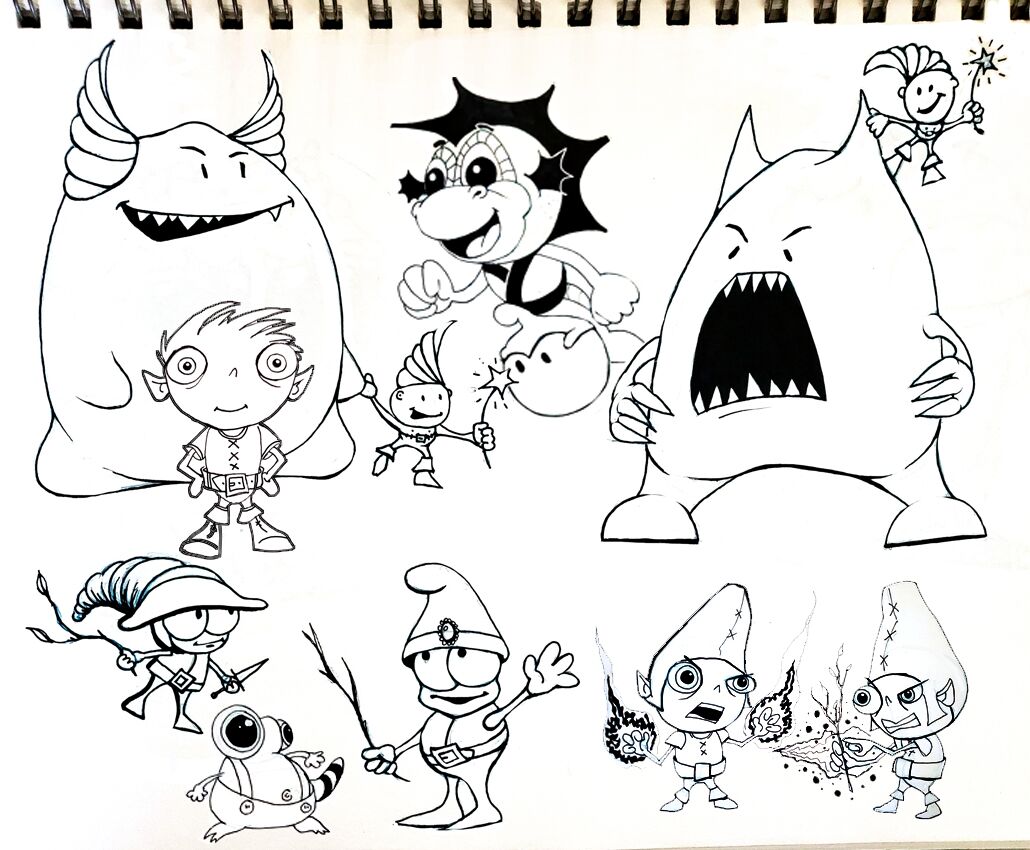
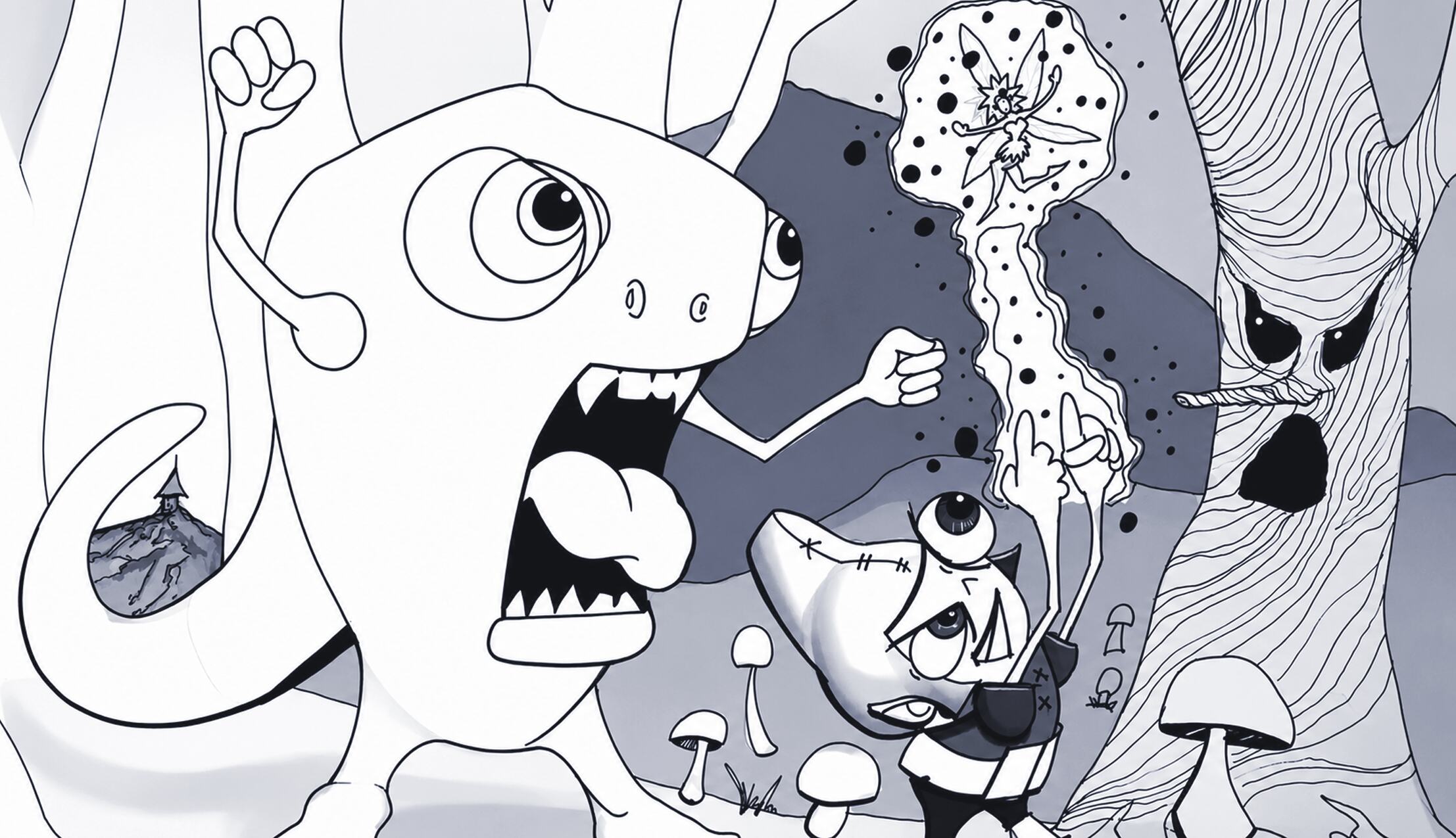
Hirokazu Yasuhara made me draw hundreds of little creatures and throwaway enemies. It felt endless. What he was really teaching me was character — that identity is built one small, believable, sellable creature at a time, and that volume is how you find the good ones. I also built one of the earliest 3D models of Sonic, learning that a character has to hold up from every angle.
Outcome: Identity isn't a logo. It's a personality made consistent across everything.
Expression
Craft is the fastest path to something true.
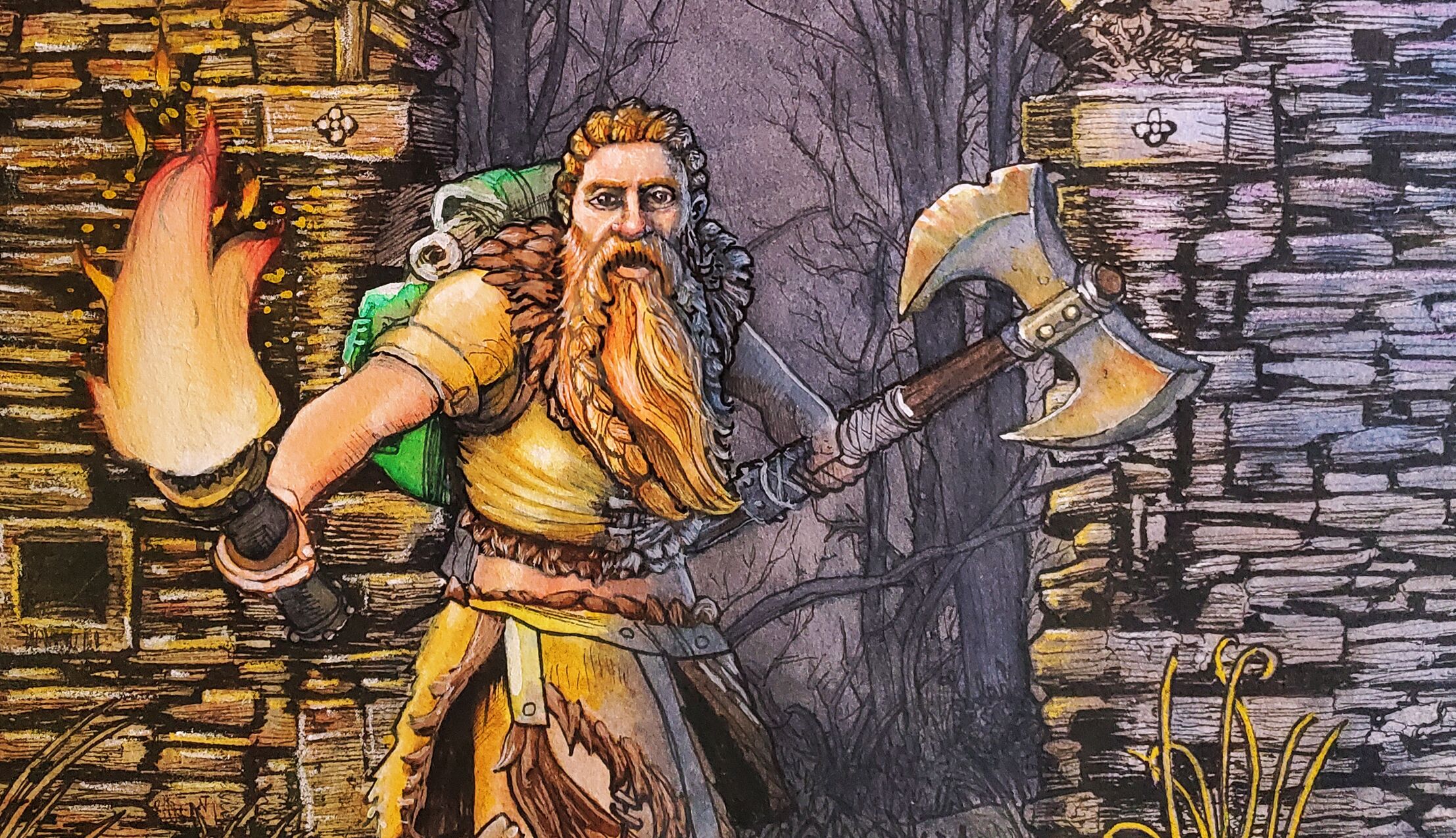
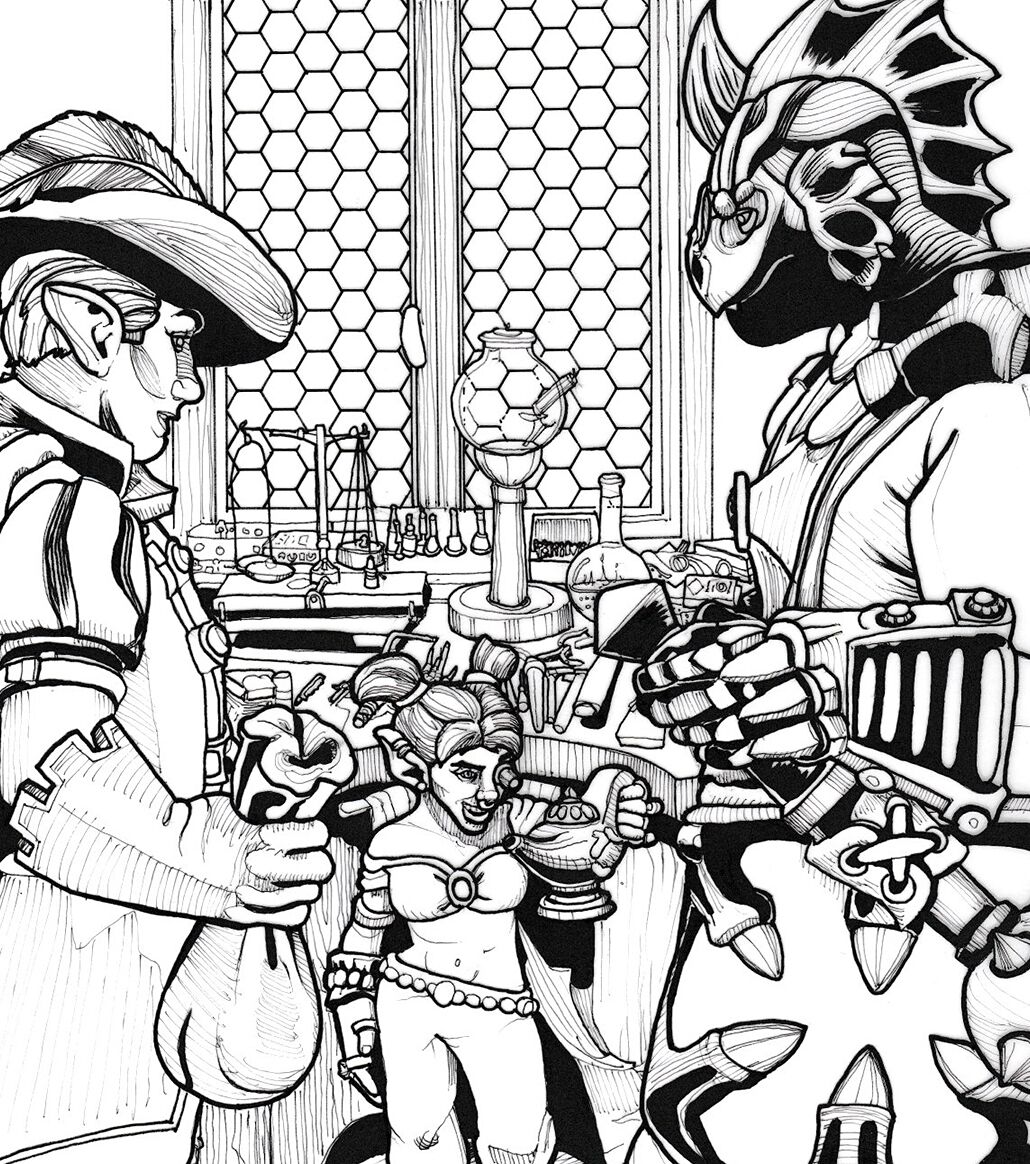
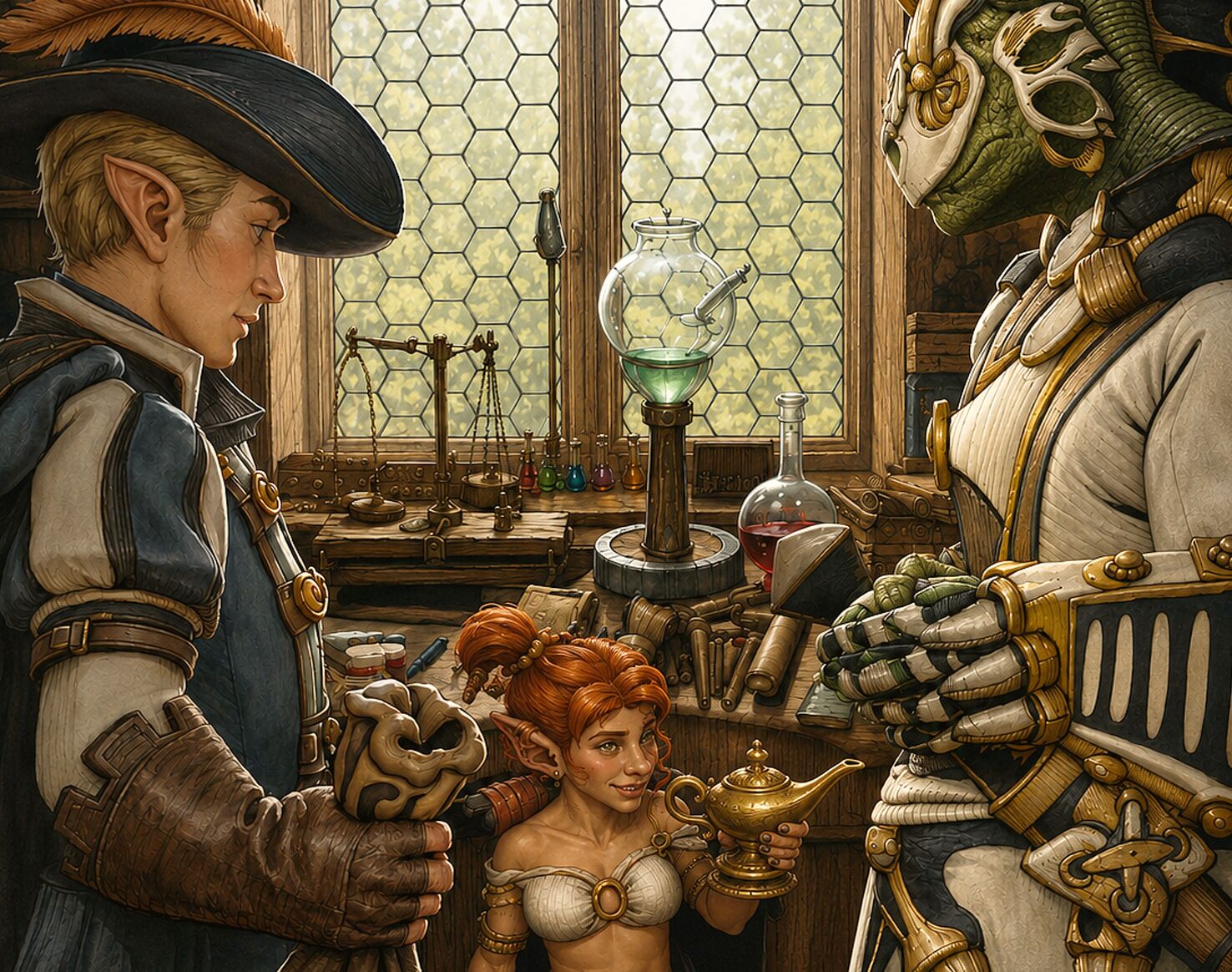
Tony DeZuniga was old-school — a comic book master who could finish a stunning illustration in the time it took me to rough one out. He showed me how professional artists use reference: not as a crutch, but as the shortest route to something that reads as real. Under every concept and character was this — the craft that turns an idea into something people can actually feel.
Outcome: Execution is not the last step. It's what makes the idea believable.
In Closing
Not everything shipped.
I helped ship Die Hard Arcade and NFL '97; the Sonic 3D project I worked on never did — and at an R&D studio, that was the point.
Sega gave me the first four edges of the framework I still use today. The fifth — and eventually the sixth — would come later, as I learned how to connect great ideas into organizations that could sustain them.